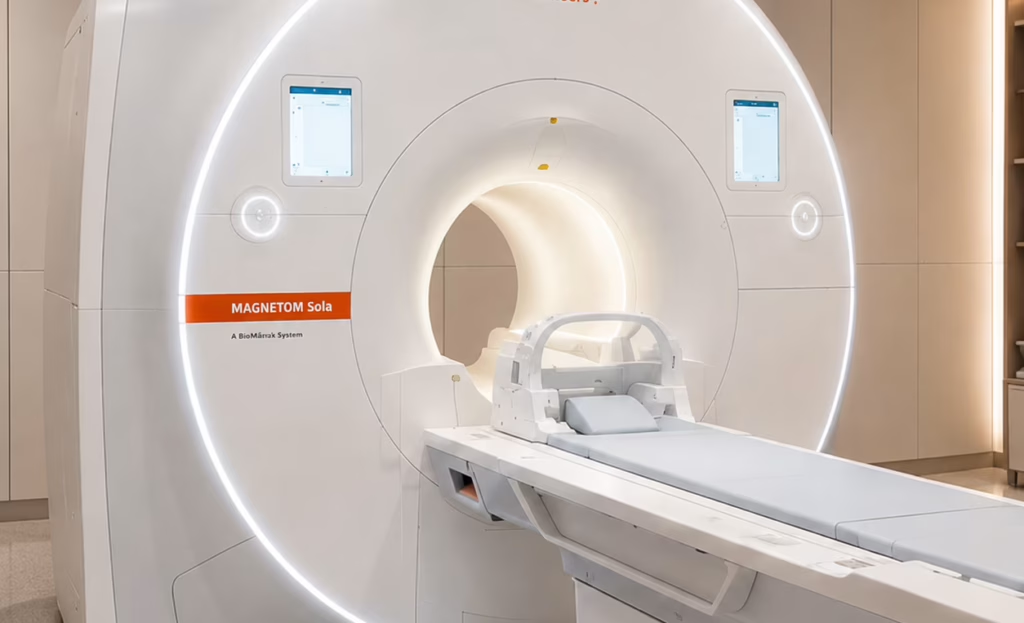
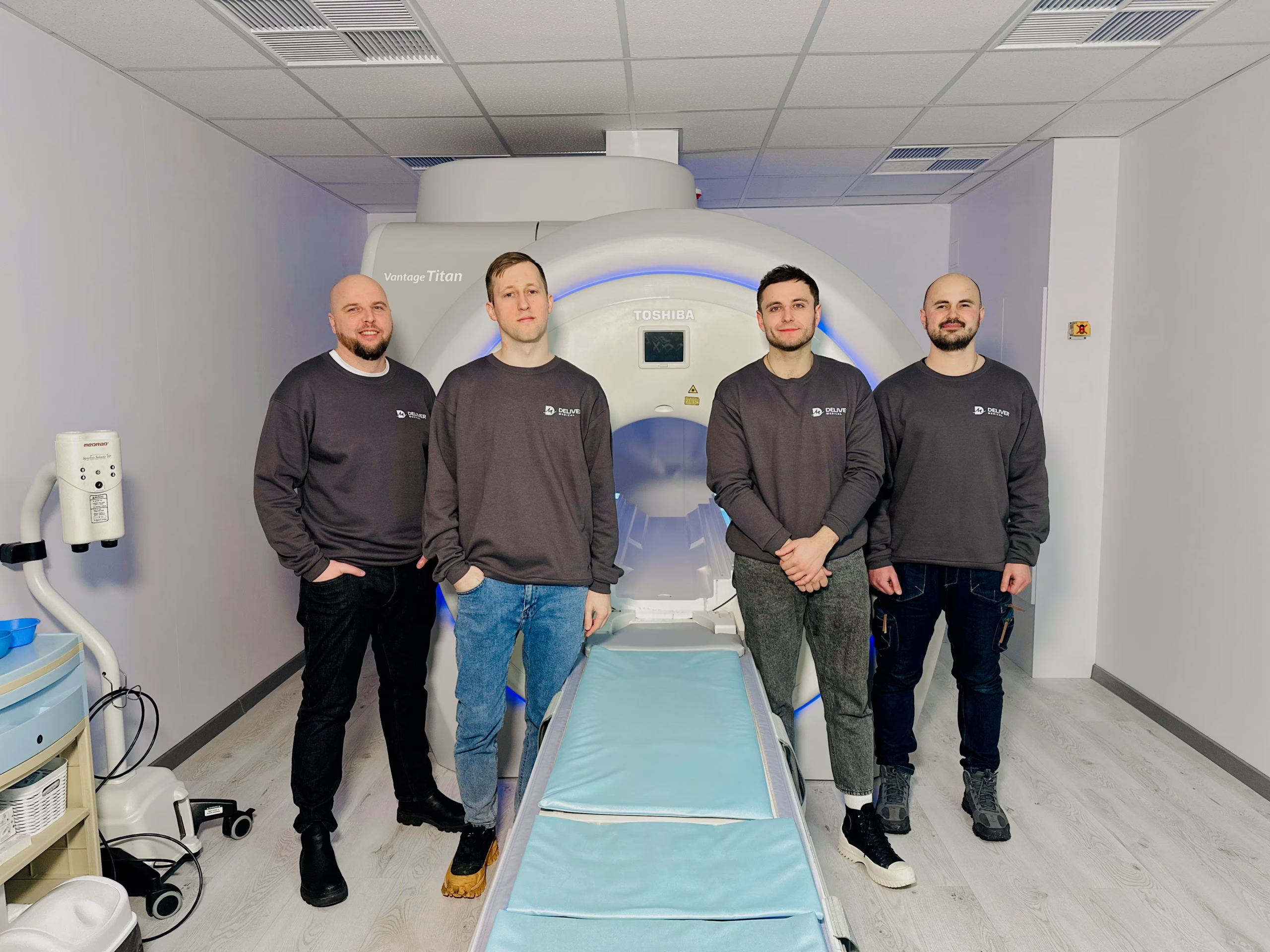
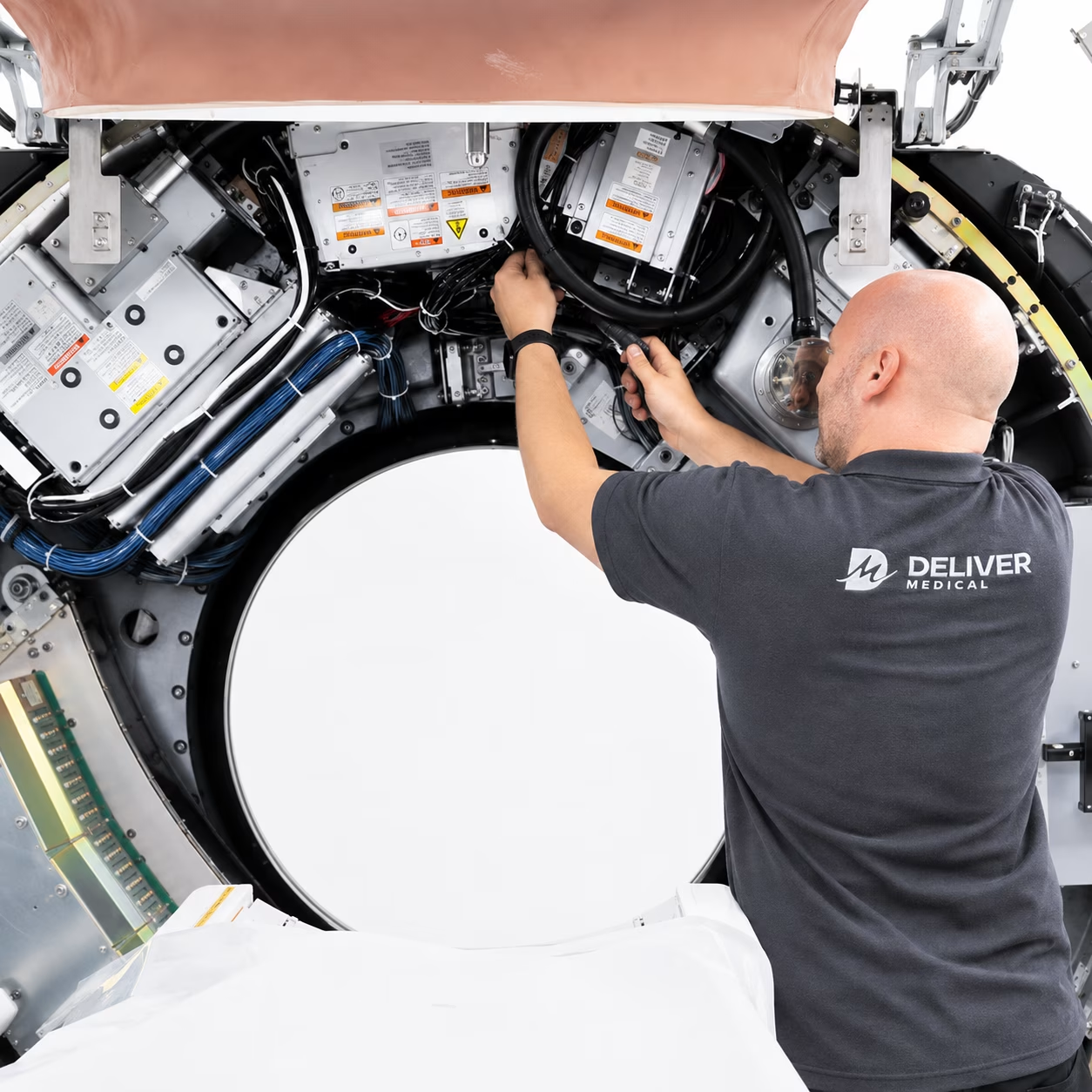
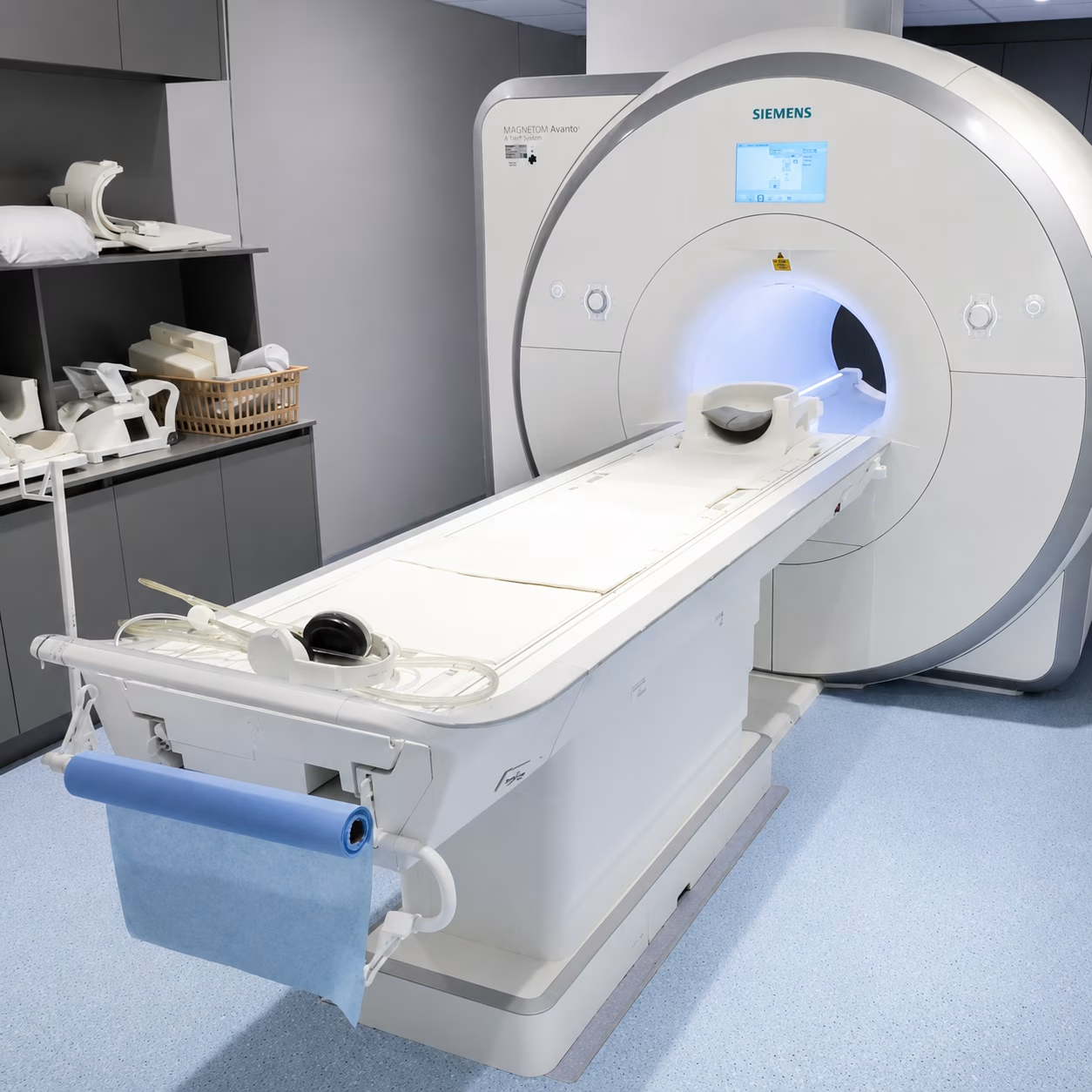
An MRI project is a comprehensive process in which every stage matters—from equipment selection and technical site assessment to installation, commissioning, and ongoing service support. Deliver Medical specialists help implement MRI projects of any complexity, from concept to the first patient.
Below are the key stages of an MRI project:
-
Technical site assessment
The first step is evaluating the facility where the MRI system will be installed. This includes assessing the available space, wall and floor slab thickness, magnet delivery access, floor load capacity, electrical power supply, ventilation, air conditioning, and the feasibility of RF shielding.
Tip: A technical site assessment should be completed before renovation begins. This helps identify potential issues early and avoid costly modifications later.
-
Facility design
During the design phase, planning includes the magnet room, control room, equipment room, patient preparation area, equipment delivery route, manufacturer requirements, fire safety, and healthcare facility regulations.
Tip: The design should consider not only equipment installation but also daily staff workflow and patient comfort.
-
Site preparation
Once the project is approved, construction and installation work begins, including preparing the magnet foundation, installing ventilation, air conditioning, electrical power distribution, grounding, data networks, lighting, and fire alarm systems.
Tip: At this stage, strict compliance with the manufacturer’s technical requirements is essential to ensure reliable system performance.
-
RF shielding
One of the most critical stages is the installation of the RF shield, also known as a Faraday cage. It protects the MRI system from external electromagnetic interference and ensures consistently high image quality.
Tip: Professional RF shield installation is one of the key requirements for proper MRI system operation.
-
Equipment delivery and installation
An MRI system is highly sophisticated equipment that requires careful transportation planning. This stage includes logistics, rigging, magnet installation, assembly of all system components, and system installation.
Tip: Every stage of delivery and installation should be carried out in accordance with the manufacturer’s technical requirements and service documentation.
-
Commissioning and calibration
Once installation is complete, engineers perform system configuration, calibration, test scans, verification of all major components, and image quality validation.
Tip: The system should only be placed into clinical operation after successfully completing all technical inspections.
-
Staff training
Successful MRI operation requires more than proper installation. Initial operator training, physician consultations, operational guidance, and recommendations for daily system use are all essential for efficient workflow.
Tip: Proper staff training helps reduce operational errors and enables a faster, more efficient clinical launch.
-
Service and maintenance
Reliable and safe MRI operation requires regular preventive maintenance. This includes monitoring helium levels, inspecting the magnet, cooling and power systems, diagnosing key components, calibration, preventive maintenance, and timely replacement of parts.
Tip: A service and maintenance plan should be established before commissioning to minimize downtime and avoid unexpected expenses.
Expert recommendation
Deliver Medical provides a complete MRI project implementation—from equipment selection and facility design to installation, commissioning, staff training, and ongoing service support.
We help prepare your MRI suite for operation so your system is ready to begin scanning patients from day one.